Home › Industrial and Heavy-Duty Asphalt Paving
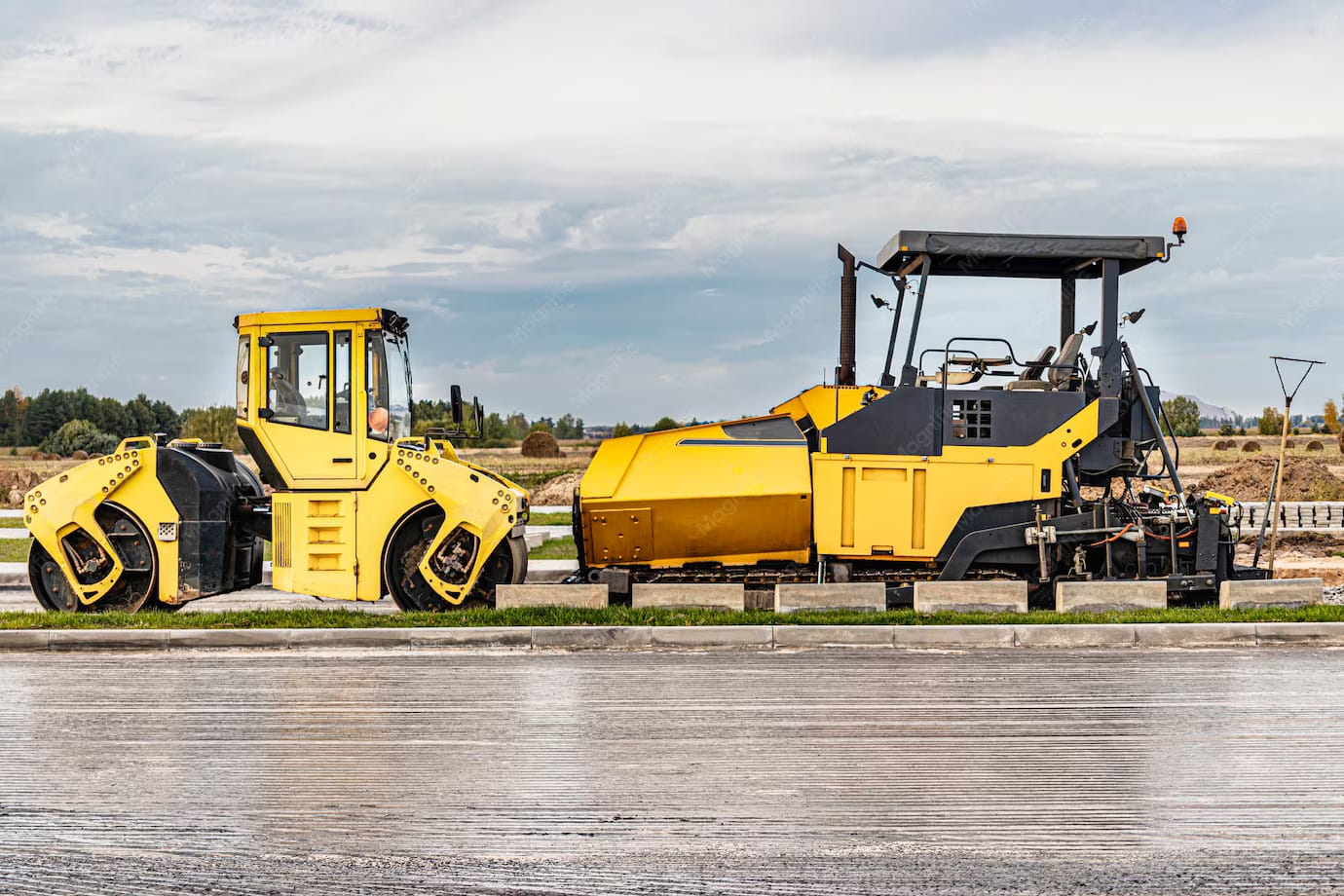
Handle heavy loads with industrial asphalt paving in North Port, FL. We design and build thick section pavements for truck yards, loading docks, and warehouses. Our team engineers the base and asphalt layers to stand up to constant turning and heavy equipment.
Precision Asphalt North Port provides professional industrial asphalt paving throughout North Port, FL, Florida and the surrounding area. Our licensed, insured crew delivers safe, clean, on-time work with a free estimate before anything begins. Call (941) 294-3305 or request your free quote.
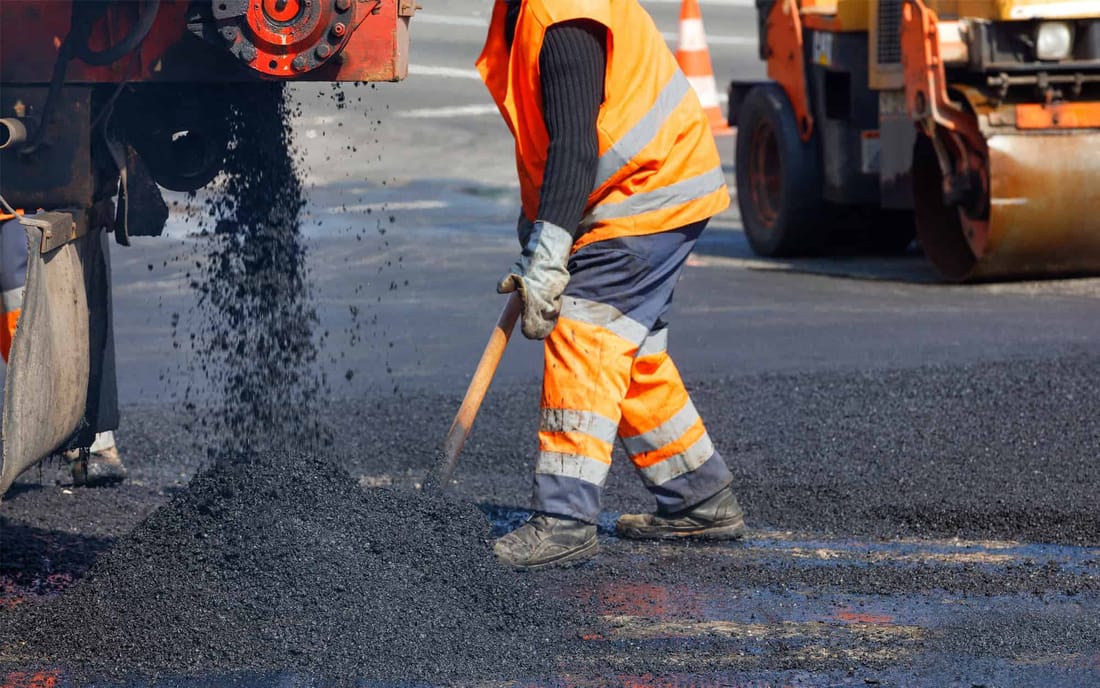
Industrial Asphalt Paving Built for Abuse, Not Just Appearance
Industrial and heavy-duty asphalt paving is a different animal from a basic driveway or parking lot. At Precision Asphalt North Port, we design pavements that can live under forklifts, semi trailers, container loads, and constant turning traffic without breaking apart. Around North Port and South Sarasota County, that usually means serving distribution yards, small manufacturing plants, warehouse districts near I-75, and utility or municipal sites.
The first thing we look at is how your pavement will actually be used. We ask about axle loads, how often trucks come and go, where they turn, and where they sit idling. A warehouse that sees 53-foot trailers twice a day needs something different than a concrete plant with fully loaded mixers cycling every few minutes. We build that into the asphalt mix design, base thickness, and whether we reinforce problem areas.
Local soil conditions around North Port can change quickly from reasonably firm to soft, sandy pockets that pump water after heavy rain. If someone treats your industrial pavement like a simple commercial parking lot, you will see rutting and alligator cracking early. Our approach starts with probing the subgrade and planning for the drainage and base support that heavy loads actually need in this climate.
How We Design and Build Heavy-Duty Asphalt Pavements
For industrial asphalt paving, the design starts in the ground, not at the surface. We begin with a site walk, elevations check, and test probes of the existing subgrade. In the North Port area we expect sands and fill from past construction, sometimes over old shell or construction debris. If the subgrade pumps or deflects under a loaded truck, no asphalt structure on top will survive long.
Step one is subgrade preparation and proof-rolling. We use a loaded truck or roller to see where the ground deflects, then undercut soft spots and replace them with compacted rock. In some industrial yards we will stabilize with crushed concrete or a limerock base to get a firm, uniform platform.
Next is the base course. For heavy-duty use we usually install 6 to 12 inches of compacted aggregate base, depending on your truck volumes and loads. In loading docks, dumpster pads, and fuel delivery zones, we often increase base thickness or add a concrete pad tied into the asphalt so repeated point loads do not cause depressions.
Above the base we install a multi-layer asphalt structure. A common heavy-duty section in North Port might be 2 to 3 inches of structural asphalt base with a 1.5 to 2 inch surface course, using mixes designed for higher stability. In turning and braking areas we select mixes with more angular aggregate and a tighter gradation to resist shoving and rutting.
On industrial lots that stay busy all day, we schedule paving to keep operations moving. We can phase work so trucks still have access to key dock doors, and we coordinate with your managers so staging and cure times do not surprise your drivers. Once compacted and cooled, most heavy-duty pavements can handle light traffic quickly, but we set specific time windows for fully loaded semis to protect the new mat.
Local Conditions in North Port That Affect Industrial Paving
Designing industrial asphalt in North Port is very different from doing the same work in a drier, colder climate. Our problems are heat, UV, sudden downpours, and a high water table. The pavement has to survive daily baking in the sun followed by sheet flow from thunderstorms that can dump inches of water in an hour.
Drainage is often the number one failure point we see on older industrial lots. If water sits where trucks park or where forklifts turn, the underlying base weakens over time. That turns into ruts and reflective cracking. At Precision Asphalt North Port we shoot grades and layout slopes to move water to catch basins or swales, then we check those slopes again after base installation so they are not lost during construction.
Industrial pavements near US-41 or I-75 also suffer from fuel and oil leaks. These soften regular asphalt over time. For fueling areas, waste collection zones, and spots where hydraulic leaks are likely, we plan for either a fuel-resistant surface mix, a heavier duty section, or a concrete insert so the rest of the lot is not ruined by a small high-stress area.
Temperature is another local factor. In summer, surface temperatures can get very high, especially on dark pavements. If the mix design is not right, heavy trucks can cause shoving, where the pavement appears to wave or push in front of the wheels. We work with Florida-approved mixes that hold shape under those temperatures and we pay attention to compaction and rolling patterns so the mat is dense enough to resist deformation.
Because a lot of North Port industrial properties were built in phases, you may have mismatched elevations and old patches where infrastructure was added later. Instead of just overlaying everything at one thickness, we look at transitions, dock heights, and existing door thresholds so the new pavement functions with what you already have. That planning up front reduces trip hazards and forklift bumps that your crews feel every day.
What Drives Cost and How to Control It Without Cutting Corners
Industrial asphalt paving is a significant investment, and most of the cost is below the surface. The main drivers are required thickness, base quality, drainage work, and access constraints. A yard built for light box trucks might manage with fewer inches of asphalt and base. A site with regular 80,000 pound semis or heavier off-road equipment needs a much thicker structure and possibly reinforcement at loading zones.
Existing conditions also matter. If your current lot is severely cracked or holds water, we need to find out why. Sometimes we can mill off the surface and reuse the existing base, which saves money. Other times, especially where we find saturated base or underlying organics, the only long-term fix is to remove and rebuild a section. We will show you test areas and explain the tradeoffs so you understand where your budget is best spent.
Access and phasing are another cost factor. If we can pave large areas without constant moves and interruptions, production is faster and unit costs are lower. If your operation requires us to work in narrow windows or around sensitive equipment, that extra mobilization time is part of the pricing. We work with North Port businesses to phase projects around lower traffic periods or weekend work when that makes sense financially.
To keep your long-term costs down, we recommend planning for maintenance from the start. A well-built industrial pavement with proper sealcoating cycles, joint sealing where needed, and occasional patching in high-stress spots usually costs far less over ten to twenty years than repeating major rebuilds. We can give you an honest forecast of expected lifespan for different design options, not just a one-time quote, so you can compare real life-cycle costs.
What to Ask Before You Hire an Industrial Asphalt Contractor
Before you hire anyone for industrial asphalt paving in North Port, it helps to ask a few specific questions. First, ask how they determined the pavement section they are proposing. They should talk about subgrade conditions, base type and depth, traffic types, and load repetitions. If the answer is simply a standard thickness or a generic commercial section, you may not be getting a true heavy-duty design.
Next, ask what their plan is for drainage and water control. A solid proposal from Precision Asphalt North Port will include attention to slopes, tie-ins to existing inlets or swales, and how they plan to prevent standing water where trucks stop or turn. You want to see that someone has walked the site and thought about how rain actually behaves on your property.
You should also ask how they will protect your operations. For active warehouses and industrial yards, shutting down entirely is often not an option. We provide a phasing plan that shows which areas will be closed when, how traffic will be rerouted, and how long before full truck loading is allowed on new asphalt. That level of planning keeps your crew and vendors informed and reduces surprises.
Finally, ask about specific experience with industrial or municipal heavy-duty work in this part of Florida. Photos of driveways do not prove much. We can point to local projects with loading docks, equipment yards, and heavy truck traffic, and explain how those designs resemble or differ from what your facility needs. When you understand the reasoning, it is easier to choose a contractor and a design that match the real demands on your pavement.