Home › Commercial Gravel-to-Asphalt Conversions
Turn dusty, muddy lots into clean pavement with commercial gravel to asphalt conversions in North Port, FL. We regrade and stabilize existing surfaces, then install durable asphalt for parking and drives. Your property will be easier to maintain and more welcoming to visitors.
Precision Asphalt North Port provides professional commercial gravel to asphalt throughout North Port, FL, Florida and the surrounding area. Our licensed, insured crew delivers safe, clean, on-time work with a free estimate before anything begins. Call (941) 294-3305 or request your free quote.
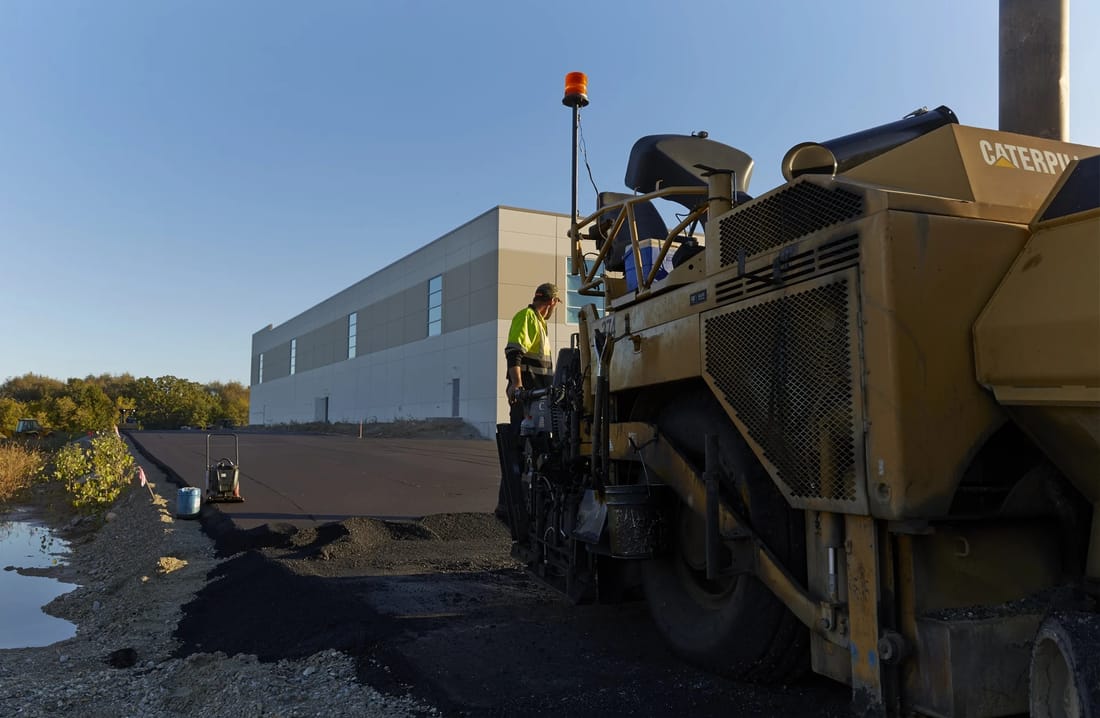
Commercial Gravel-to-Asphalt Conversions for North Port Businesses
Loose gravel might be cheap to install, but it is hard on vehicles, hard to keep clean, and tough for customers with mobility issues. Precision Asphalt North Port specializes in turning commercial gravel lots and drives into smooth, durable asphalt that fits the way businesses in North Port, FL actually operate.
A commercial gravel-to-asphalt conversion is not just spreading blacktop over rocks. If the base is not corrected, the new pavement will rut, crack, and hold water. Our crews start by evaluating how your site is used: car counts, delivery truck routes, dumpster pads, and any standing water after storms. A small retail plaza on Tamiami Trail needs a different design than a storage yard east of I-75, and we size the pavement section accordingly.
We pay close attention to ADA access and traffic flow. North Port inspectors look closely at slopes near accessible parking and ramps, so we plan grades and striping with that in mind from the beginning. The result is a surface that is easier to drive and walk on, improves curb appeal, and usually reduces dust complaints and housekeeping costs inside your building.
How We Convert Gravel Lots to Commercial-Grade Asphalt
On a typical commercial gravel-to-asphalt conversion, Precision Asphalt North Port follows a step-by-step process so the final pavement can handle real use in our climate.
First, we strip loose, oversized, or contaminated gravel and debris. If you have a mix of shell, crushed concrete, and fines from years of patching, we sort what can be regraded and reused as base from what needs to be hauled off. This helps control cost without cutting corners on structure.
Next, we evaluate and regrade the base. Using laser or GPS-controlled equipment on larger sites, we shape the subgrade for proper drainage, usually targeting at least a 1 to 2 percent slope so afternoon thunderstorms do not leave standing water. Soft spots are undercut and replaced with compactable aggregate. In areas where trucks turn or forklifts operate, we often thicken the base and sometimes add a stabilized base layer.
After regrading, we compact the base with vibratory rollers in multiple passes and proof-roll it. If a fully loaded truck or roller causes the surface to deflect or pump, that area is corrected before any asphalt goes down. Skipping this step is a common cause of early pavement failure.
Once the base is approved, we apply a tack coat where needed, then place hot mix asphalt in one or more lifts. For light duty parking, we may install a single surface lift. For loading zones or drive lanes, we typically use a structural base lift plus a finer surface lift. All asphalt is machine laid where possible for a smoother finish, then hand worked at edges, drains, and around utilities.
We complete the project with compaction, joint sealing at tie-ins, and final striping and signage. If your property requires specific traffic markings or fire lane designations, we incorporate those so you are ready for inspection and daily use.
Material Options, Design Choices, and What Fits North Port Properties
Not every gravel lot needs the same asphalt design. Precision Asphalt North Port walks you through the trade-offs so you can match cost, durability, and future plans for your property.
For many small commercial lots, a single 1.5 to 2 inch asphalt lift over a well-compacted base is enough for passenger vehicles. If your site sees regular semi trailers, garbage trucks, or container deliveries, we often recommend a two-lift system, such as a 2 inch structural lift plus a 1.5 inch surface lift. This reduces rutting in wheel paths and extends service life.
Mix design also matters. In high traffic drive lanes and loading areas, we prefer a denser mix with stronger stone content. In low speed parking stalls, a finer mix gives a smoother appearance. Around North Port, temperature swings and summer thunderstorms make good compaction and proper drainage more important than any special mix marketing term. We specify material that meets or exceeds FDOT or local standards, even when the job does not require formal FDOT spec work.
You can also choose how you want edges handled. Where asphalt ties into existing concrete sidewalks or aprons, we saw cut for a clean joint. Along landscape beds, we can provide a neat asphalt edge or coordinate with your landscaper for curbing. If your gravel lot currently blends into grass or brush, we will discuss where to stop the pavement and how to handle future erosion at the edge.
For businesses planning future expansions, we can design the asphalt thickness and layout so it can be extended later without redoing the entire lot. Marking potential future access drives or buildings at this stage can save money if you expand within a few years.
Costs, Permits, and Local Requirements in North Port, FL
The cost of a commercial gravel-to-asphalt conversion in North Port depends on several specific factors. The biggest drivers are the condition and strength of the existing gravel base, total square footage, required thickness, drainage improvements, and how many tie-ins or transitions are needed to existing structures.
If your gravel base is well compacted and holds up under proof-rolling, more of your budget can go toward asphalt thickness and striping. If we discover deep soft areas, buried debris, or old organic fill, some excavation and base replacement will be required. It costs more up front but prevents costly failures a few years down the road.
Permitting in North Port usually comes into play when you change drainage patterns, expand the paved area, or alter site parking counts, especially near rights of way. For many straightforward conversions where the footprint does not change and drainage continues to sheet-flow as before, the process is simpler, but it is still worth checking zoning, stormwater, and any recorded development orders on your property. Precision Asphalt North Port can coordinate with your engineer or refer you to one if stormwater calculations or revised site plans are needed.
We also keep an eye on ADA and fire code. Converting gravel to asphalt typically brings your site under closer scrutiny for accessible parking, slopes, and clear fire lanes. We lay out striping so required accessible stalls, van access aisles, and signage can pass review. If your property is in an HOA or commercial association, we can provide drawings and photos to help you obtain approval before work begins.
Common Problems We Solve and How to Prepare Your Site
Commercial gravel lots around North Port often share the same set of problems. Low spots hold water after storms, delivery trucks create deep ruts, and annual grading becomes a recurring expense. When we convert these areas to asphalt, Precision Asphalt North Port focuses on fixing the problems, not just covering them.
Poor drainage is the first issue we address. If your gravel surface currently drains across a sidewalk, neighbor's property, or into an overloaded swale, we can regrade and, when needed, add inlets or flow lines to direct water to acceptable discharge points that comply with local stormwater rules. Catch basins may need to be raised or rebuilt to sit flush with the new asphalt surface, rather than left buried in old gravel.
Soft subgrade is another common challenge, especially on older fill sites. Before paving, we identify these areas and either undercut and replace them, or in some cases use geotextile and additional aggregate to spread loads. Skipping these corrections usually leads to depressions and cracking soon after opening to traffic.
Property owners can help the process by planning for access during construction. We often phase work so one part of the lot stays open while another is under construction, or we schedule the heaviest operations during off-peak hours. Inform tenants, delivery services, and customers about temporary changes in traffic routes and parking.
Before we arrive, it helps to move trailers, storage containers, and long term parked vehicles off the gravel area. Mark any underground utilities or private lines that might be shallow, such as irrigation sleeves or low voltage lighting, especially if they were added after the original site work. Clear communication about how you use the site day to day lets us design a pavement that actually supports your operations, instead of just looking good on opening day.