Home › Asphalt Pathways, Sidewalks, and Trails
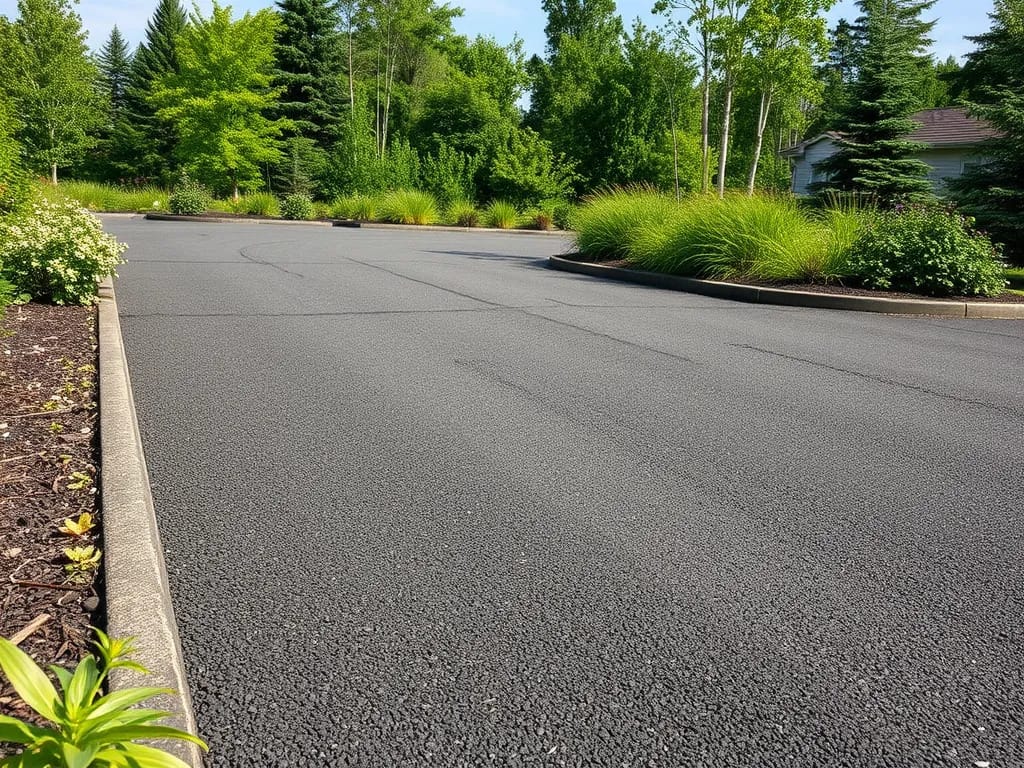
Connect your property with smooth asphalt pathway paving in North Port, FL. We build multi use paths, school walkways, and park trails for safe travel. Our designs consider width, slope, and transitions for comfortable walking and biking.
Precision Asphalt North Port provides professional asphalt pathway paving throughout North Port, FL, Florida and the surrounding area. Our licensed, insured crew delivers safe, clean, on-time work with a free estimate before anything begins. Call (941) 294-3305 or request your free quote.
Asphalt Pathways, Sidewalks, and Trails in North Port
Neighborhoods and communities in North Port rely on safe, smooth walkways. Precision Asphalt North Port focuses on asphalt pathway paving for HOA walkways, residential sidewalks, school routes, and community trails that can stand up to our heat, heavy rains, and tree growth.
Instead of treating pathways like small roadways, we design them specifically for foot traffic, bikes, golf carts, and mobility devices. That means choosing the right base depth, asphalt mix, and drainage layout for your property. Whether you manage a gated community off Sumter Boulevard or you are improving access around a single home near Toledo Blade, we size the project, materials, and schedule around how the space is actually used.
Our crews live and work here, so we understand local expectations. Most of our pathway work comes from repeat HOA managers, property managers, and homeowners who want long‑lasting surfaces, clear communication, and projects that do not drag on for weeks.
Site Evaluation and Design for Walkways and Trails
Every asphalt pathway paving project starts with a walk of the site. We check existing grades, low spots that hold water, root activity, and how people actually move through the space. For example, in North Port we frequently see worn dirt shortcuts where residents have been cutting between streets or amenities, and we often turn those into formal paved paths.
During this visit we measure widths and discuss who will use the path. A simple sidewalk along a residential driveway might be 4 feet wide, while a shared‑use community trail usually needs 8 to 10 feet for walkers, strollers, and bicycles to pass safely. We also look at turning areas for golf carts and emergency access if your association requires it.
Drainage is a key design factor in our rainy season. We plan slopes so water runs off the asphalt and into grass or swales, not toward building slabs, pool decks, or garage entries. On long trails, we break up slopes with level landings where needed for accessibility.
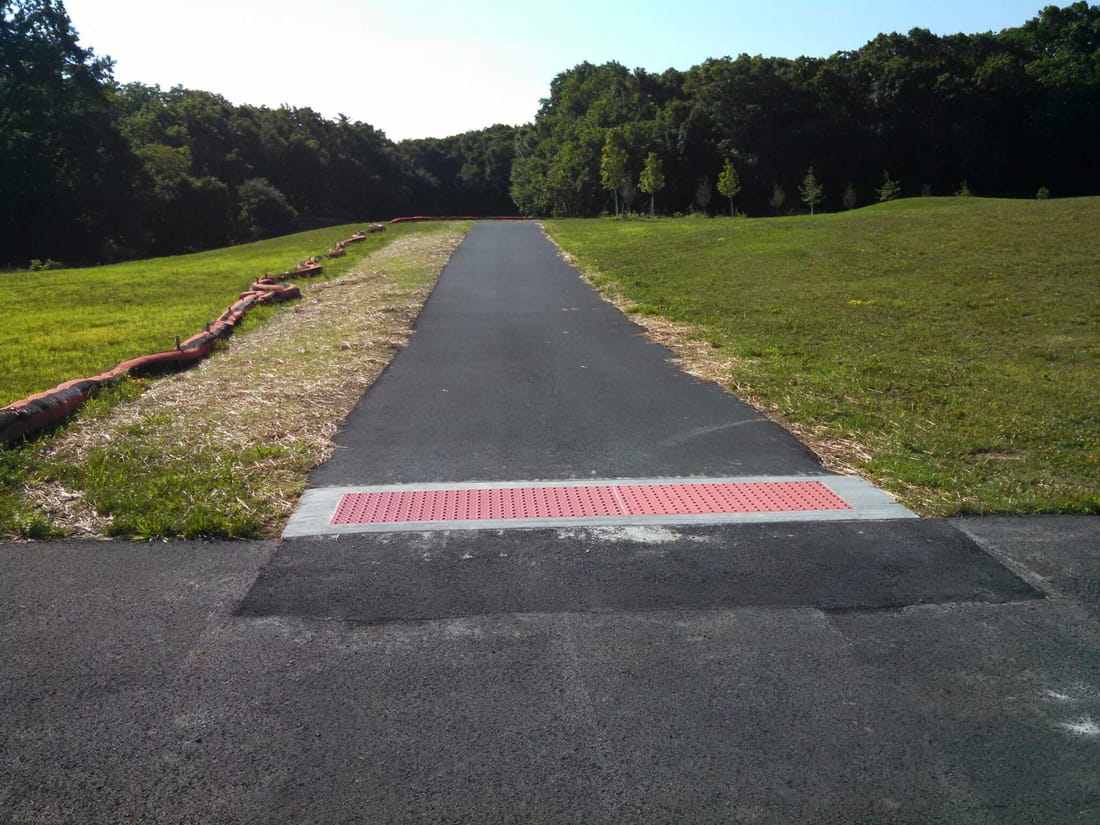
You can choose straight, formal layouts or more natural curves that follow landscaping and existing trees. We commonly use asphalt edging or flush concrete bands at intersections and crossings to keep the edges clean and reduce raveling where foot traffic is heaviest.
Preparation, Base Work, and Root Management
Successful asphalt pathways in our sandy North Port soil depend on careful preparation. After marking utilities, we clear the path corridor of grass, mulch, and topsoil, then excavate to the depth needed for base rock and asphalt. For most pedestrian walkways, this means 4 to 6 inches of compacted base, though we increase that if golf carts or light maintenance vehicles will use the path.
We install a graded aggregate base (typically limerock or crushed concrete) and compact it with vibratory plate compactors or small rollers. In softer or low‑lying areas that stay damp, we may use geotextile fabric to stabilize the subgrade and keep the base rock from pumping into the soil.
Tree roots are a frequent issue in North Port, especially near oaks and palms. Instead of simply cutting large roots and hoping for the best, we evaluate whether the tree can tolerate root pruning and coordinate with the owner or an arborist if needed. Where roots are likely to grow back and lift the asphalt, we either adjust the alignment, install root barriers, or design a thicker section to span over minor growth.
Once the base is set, we fine‑grade to achieve the proper cross slope for drainage, then re‑check thickness and compaction in critical areas like slopes, curves, and intersections.
Asphalt Mixes, Thickness, and Finishing Options
For pathways, sidewalks, and trails we use fine‑graded asphalt mixes that create a smoother surface than typical road paving. This helps with strollers, wheelchairs, and bicycles and reduces tripping hazards. In shaded or damp areas we may recommend a slightly coarser surface to improve traction when surfaces are wet.
Typical pedestrian pathways receive 1.5 to 2 inches of compacted asphalt over a properly prepared base. For multi‑use trails that see service carts or occasional delivery vehicles, we may increase the asphalt thickness to 2.5 inches or more to avoid rutting and early fatigue cracking.
Finishing options include gentle rolled edges that blend into turf or defined edges with asphalt curbing or concrete headers where you want a cleaner look or need to control mulch and rock. We can add high‑visibility striping or reflective markers at crossings, intersections with driveways, and along curves that see bike traffic.
If you want a darker, more uniform look and added surface protection, we can apply a sealcoat after the asphalt has cured for a few months. This is common along community walking loops where aesthetics matter, and also in high‑sun areas where UV exposure speeds up aging.
Common Local Issues and How Precision Asphalt North Port Addresses Them
Our coastal climate creates specific problems for asphalt pathway paving. Intense afternoon storms can wash out poorly compacted base layers, which is why we avoid shortcuts on preparation. We schedule base work and paving with the forecast in mind and will postpone work if conditions would compromise compaction or bonding.
Standing water is another frequent complaint. We prevent this by planning cross slopes and installing transitions at driveways and sidewalk tie‑ins so that water has a clear escape route. Where drainage is limited, we may recommend installing small yard drains or adjusting landscaping grades and we will explain those options before any contract is signed.
Tree root heaving and cracking often show up along older North Port sidewalks. When we replace or build new paths, we discuss future root growth and realistic expectations. If a customer prefers to keep a mature tree that is already undermining the surface, we can design the path with gentle offsets, flexible joints at concrete tie‑ins, or plan for a more frequent maintenance cycle.
Heat and sun exposure can lead to surface oxidation and raveling. To combat this, we use mixes suited for our region and suggest sealcoating and crack sealing at appropriate intervals, especially on exposed pathways around clubhouses and amenities.
Pricing Factors and What to Expect During the Project
Pathway and trail pricing in North Port depends on several real‑world factors. The most important are total square footage, base thickness, asphalt thickness, and how difficult the area is to access with equipment. Tight spaces behind homes or around pools may require more handwork and smaller machines, which affects labor time.
Curved layouts, multiple intersections, and transitions to existing driveways or concrete sidewalks also add hand‑finishing time. If the project involves removing old cracked concrete or asphalt, we include demolition and hauling fees in your written proposal so there are no surprises.
Before work starts, Precision Asphalt North Port provides a clear scope that outlines thicknesses, base materials, and any drainage improvements or root management. We coordinate with you on timing to reduce disruption. For HOA paths and school routes, we can phase the work and set up temporary detours so residents or students can move safely around the site.
Most small residential sidewalk or pathway projects are completed in one to two days. Larger trail systems that run through common areas may take several days, especially if we need to work around irrigation systems, gates, or facility operating hours.
Why Local Experience Matters for Your Asphalt Pathway Project
Working with a North Port based contractor means the design and construction decisions are based on local conditions, not generic standards. Precision Asphalt North Port understands which areas flood after heavy storms, which neighborhoods have strict HOA standards, and how local utility layouts can affect excavation.
We are familiar with local inspection requirements when your project ties into public sidewalks or crosses utility easements. That helps keep the project moving without delays caused by paperwork or missed details.
When the job is complete, we walk the path with you to check slopes, joints, and overall finish. We explain how to protect the new surface during the first few days, when to schedule sealcoating if you choose it, and what early signs of issues to watch for so small cracks or edge wear can be repaired before they become trip hazards.
Because we focus on ongoing relationships with North Port property owners, managers, and HOAs, we keep records of thicknesses, mixes, and layouts. That way, if you expand your trail system or connect additional sidewalks later, we can match the look and performance of what you already have.